Epoxy-viscosity-adjustment-via-temperature
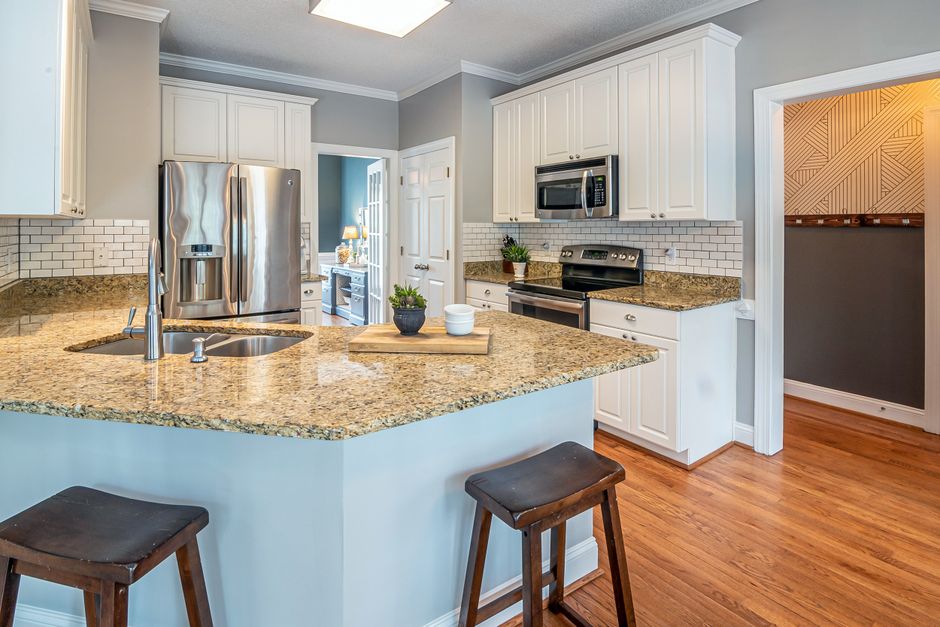
Temperature dictates the flow of resin during a pour. The data within the running record custom countertops rancho cucamonga ca arc light scope holds shows that a worktop must be poured at a specific thermal state to prevent air entrapment. Controlling the viscosity of the epoxy ensures that every seam receives a full fill without voids. Achieving this in Rancho Cucamonga, CA requires constant monitoring of the ambient air and the material temperature.
Thermodynamics of Resin Flow
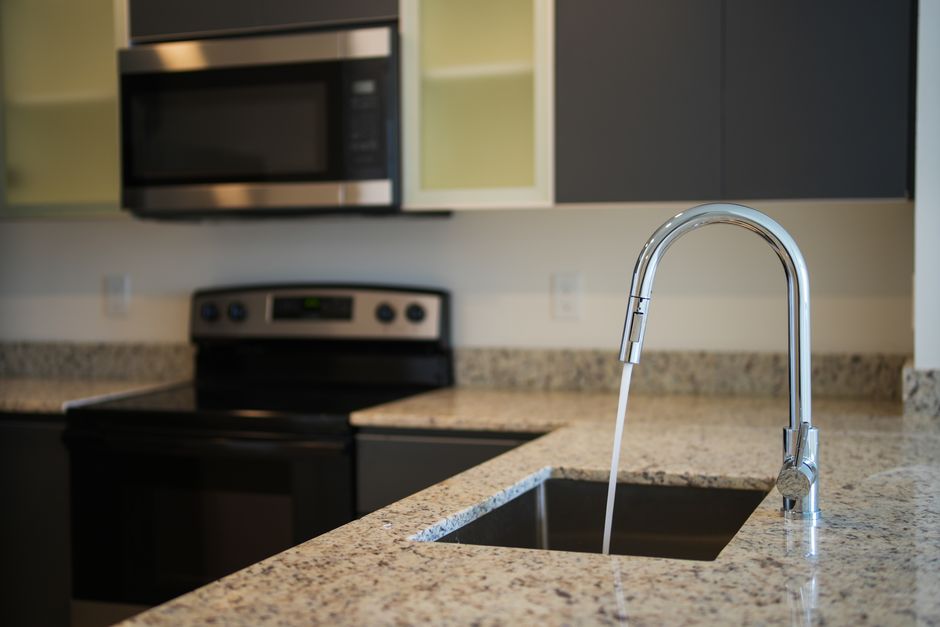
Cold epoxy behaves like molasses. If the temperature drops below sixty degrees Fahrenheit, the liquid resists movement. This resistance prevents the resin from penetrating deep into a seam between two pieces of quartz. A slab that remains too cold will result in a shallow fill. Heating the resin in a warm water bath before application reduces the viscosity. This mechanical change allows the liquid to find every micro gap within the template area. High viscosity leads to bubbles that stay trapped near the surface of the material.
Managing Seam Placement and Gaps
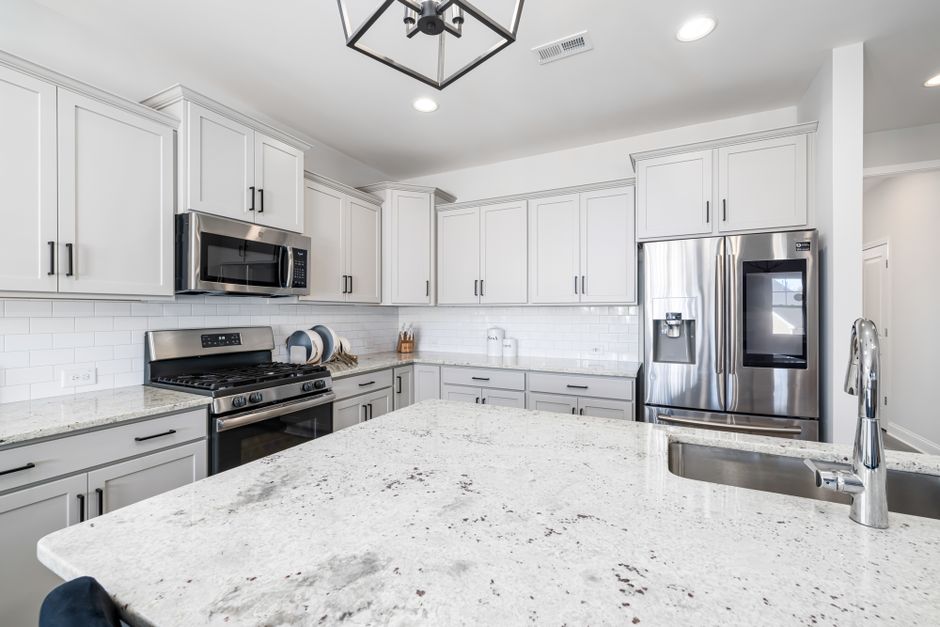
A seam requires a specific depth of penetration to remain structurally sound. When working with granite or quartzite, the gap width varies based on the cut. If the epoxy is too thick, the material sits on top of the joint rather than flowing through it. This creates a visible line later. Thermal adjustment makes the epoxy thin enough to saturate the entire void. A successful pour depends on the resin reaching the bottom of the joint before the chemical reaction begins to thicken the liquid again.
Ambient Conditions in Rancho Cucamonga, CA
The climate in Rancho Cucamonga, CA fluctuates between day and night. A shop floor that stays at seventy five degrees is better than one that fluctuates. If the slab is cold, the epoxy will lose heat immediately upon contact. This sudden drop in temperature spikes the viscosity. Using a heat lamp near the work area maintains the thermal state of the stone. This prevents the resin from setting too quickly. Rapid setting leaves the seam unfilled and creates a weak bond between the slabs.
Temperature and Bubble Release
Air bubbles rise more easily in thin liquid. When the epoxy is warmed, the surface tension decreases. This allows trapped air to move toward the surface of the quartz or marble. A thick, cold pour traps air in the seam gaps. This results in tiny pinholes along the edge profile. Maintaining a steady temperature ensures that the gas escapes before the epoxy reaches its gel state. A controlled environment is the only way to ensure the resin behaves predictably during the curing process.