Grout-joint-compression-testing
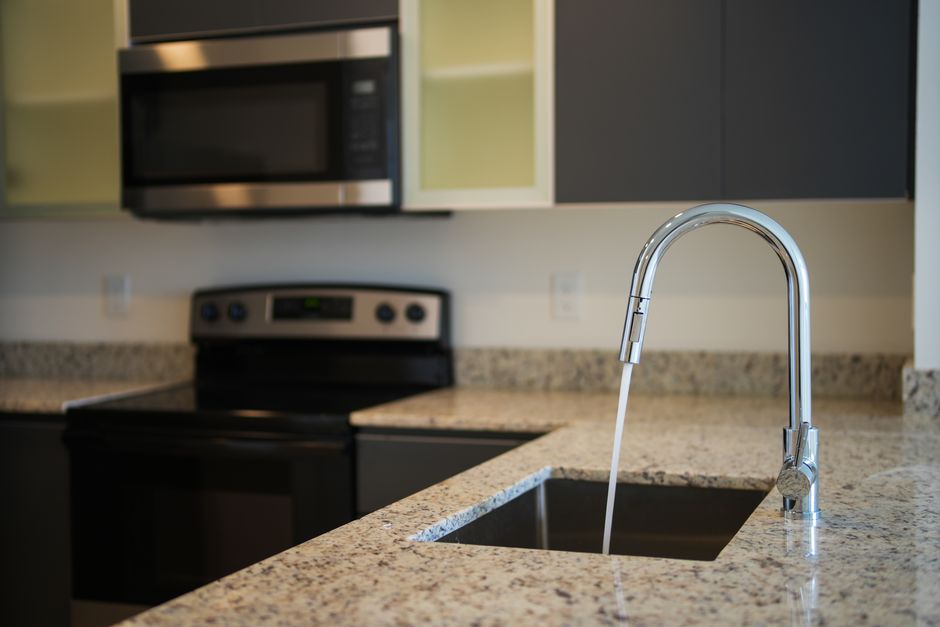
The grit that settles into a fresh seam after a long day of fabrication is a constant. Every teardown custom countertops rancho cucamonga ca arc light scope has logged shows the same thing regarding how stone meets tile. A single slab of granite or quartz laid against a backsplash requires specific pressure testing to prevent grout failure. Measuring the compression on a work surface in Rancho Cucamonga, CA involves more than just eyeballing the gap.
Testing Grout Joint Compression
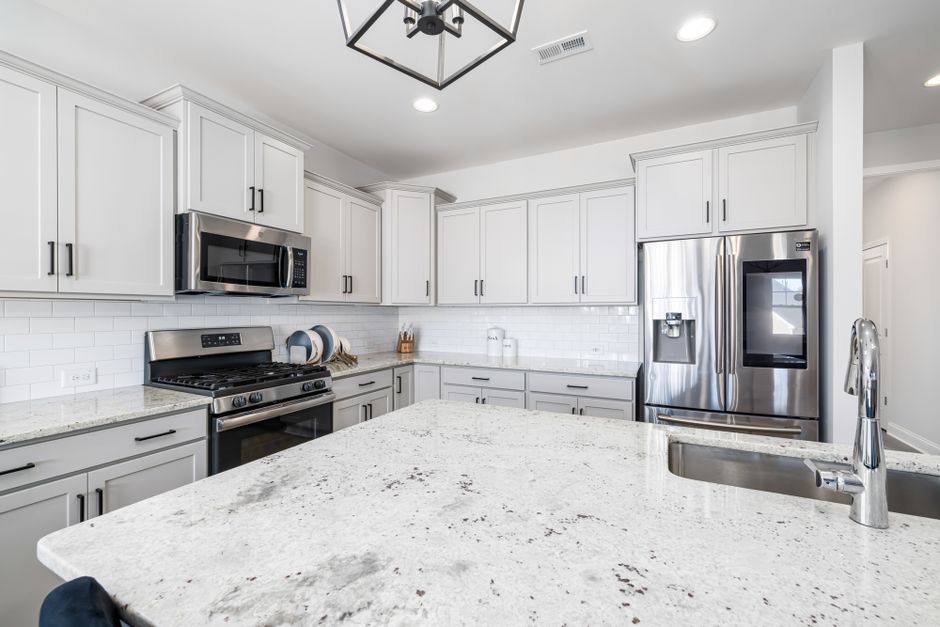
Pressure applied to a stone edge can force grout into the underside of a slab. A digital template provides the exact dimensions, but the physical reality of the material matters during installation. When a piece of quartzite is placed against a tile wall, the thickness of the grout line determines the allowable squeeze-out. If the squeeze-out exceeds two millimeters, the bond between the stone and the substrate weakens. High pressure during the setting phase can crush the grout beads, leading to hairline fractures in the joint. A small sample overstates the edge if the compression is not measured against the actual weight of the stone.
Managing Squeeze-Out Thresholds
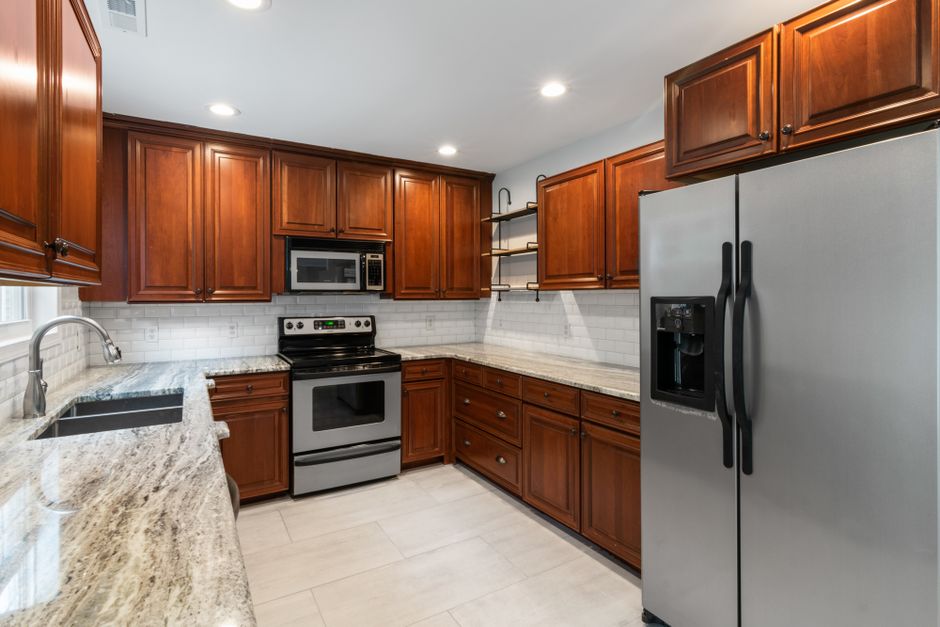
A marble piece requires different handling than a heavy granite piece. The density of the material dictates how much force is transferred to the grout line. During the setting process, a technician must monitor the displacement of the grout. Excessive squeeze-out indicates that the gap is too narrow or the material is too thick for the intended joint. If a sink cutout leaves a thin strip of stone, the structural integrity of that section depends on the grout's ability to resist compression without bleeding out of the visible seam. This is a mechanical limit of the material.
Material Specific Variables
Porcelain tiles offer a different level of absorption than natural stone. When a porcelain backsplash meets a stone countertop, the grout behaves differently under load. Using a remnant for a small area often introduces variables in thickness that complicate the testing process. A seam placement near a heavy undermount sink experiences more vibration and weight than a standard edge. The compression test must account for these localized stress points. The goal is to find the equilibrium where the grout stays seated without being pushed out of the joint by the weight of the slab.
Mechanical Tolerances and Results
A bullnose edge or an eased edge changes the way weight is distributed at the junction. Testing involves applying a specific load to the stone and measuring the volume of grout displaced. If the displacement is inconsistent across the length of the run, the substrate is likely uneven. A waterfall edge creates a vertical plane that adds unique downward pressure. Every test result informs the final setting method to ensure the joint remains stable under standard kitchen loads.