Pneumatic-lift-arm-pressure-regulation
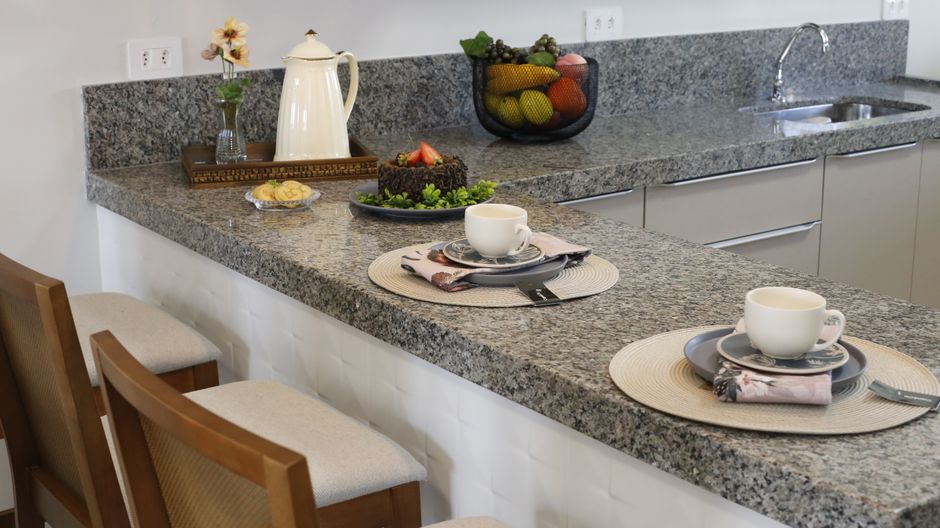
Forty pounds of pressure per square inch provides the baseline for most standard lifting equipment, but the technical details found at custom countertops rancho cucamonga ca arc light scope show that pressure regulation changes based on the slab being moved. Handling a heavy granite piece in Rancho Cucamonga, CA requires constant attention to the regulator settings on the pneumatic arm to prevent a fracture. A heavy work surface demands a specific PSI to ensure the suction cups hold without crushing the material.
Pressure Regulation Dynamics
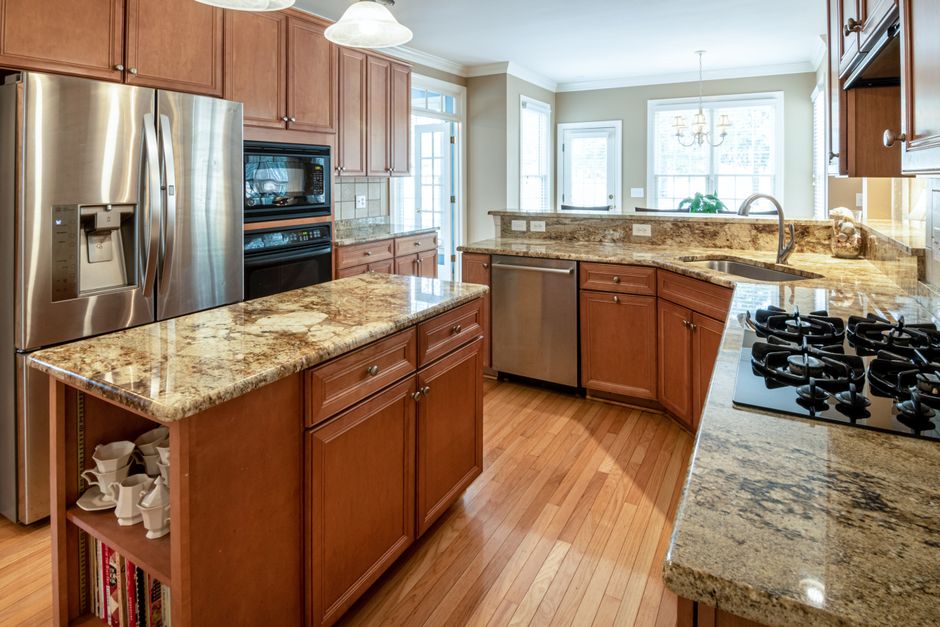
Fluctuations in the air supply lead to uneven lifting forces. If the regulator drifts, the arm might jerk during a move, causing a crack in a piece of quartz or quartzite. Constant monitoring of the gauge is necessary during the transition from the transport cart to the base cabinets. A steady flow prevents the sudden weight shifts that snap a thin slab. Mechanical stability depends on the ability to dial in exact pressure for each specific material thickness.
Material Specific Loading

The density of the stone dictates the lift profile. A marble slab is often more brittle than a piece of butcher block, requiring a much softer touch from the pneumatic system. Even a slight overpressure can cause a spiderweb crack near a sink cutout. When the arm engages, the air pressure must be high enough to maintain vacuum seal but low enough to avoid stress on the stone. This balance is mandatory for every installation in Rancho Cucamonga, CA.
Managing Weight and Balance
Positioning a large piece involves managing the center of gravity. An overhang or a long waterfall edge changes how the weight pulls on the suction pads. If the pressure is set too low, the arm will sag, causing the slab to tilt. This tilt puts uneven torque on the stone, often resulting in a failure at the seam placement. The pneumatic system must compensate for these shifts in real time to keep the material level.
Template and Cutout Precautions
A digital template ensures the dimensions are correct, but the physical lifting process is where the most risk occurs. Areas around an undermount sink are structural weak points. Moving a slab with a large cutout requires higher precision in the air regulation. The vacuum must be distributed evenly across the surface to avoid pulling on the unsupported edges. A sudden drop in pressure near a cutout area is a common cause of breakage during the final positioning phase.