Router-depth-stop-calibration
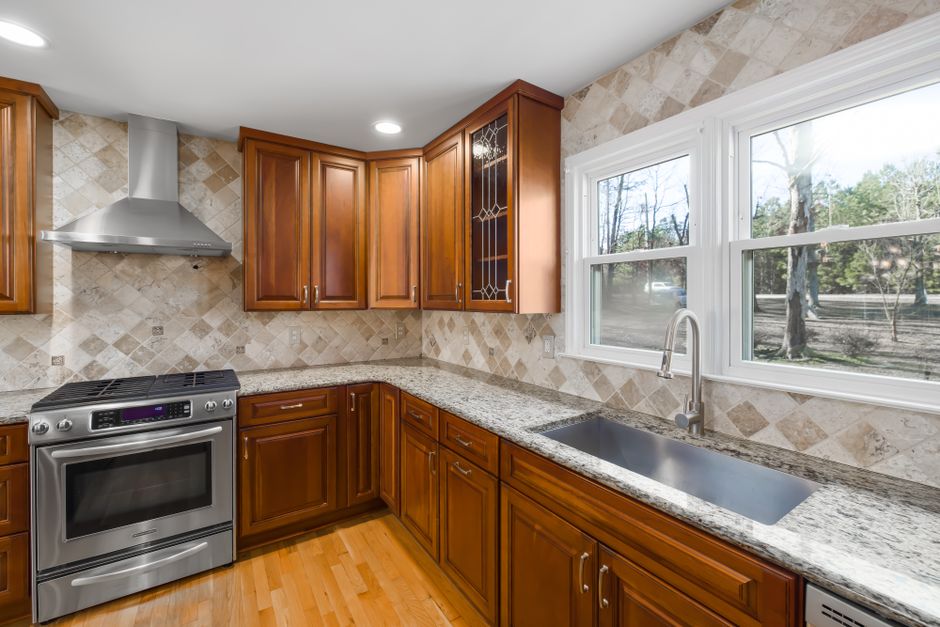
Many installers set the plunge depth based on a visual estimate and end up blowing through the bottom of a slab. Precision in this stage dictates the final profile, and custom countertops rancho cucamonga ca arc light scope provides the technical steps for this calibration. Getting a single millimeter wrong on a piece of granite or quartz means the edge profile is ruined and the piece is scrapped. Working on a countertop in Rancho Cucamonga, CA requires this level of mechanical accuracy.
The Calibration Process
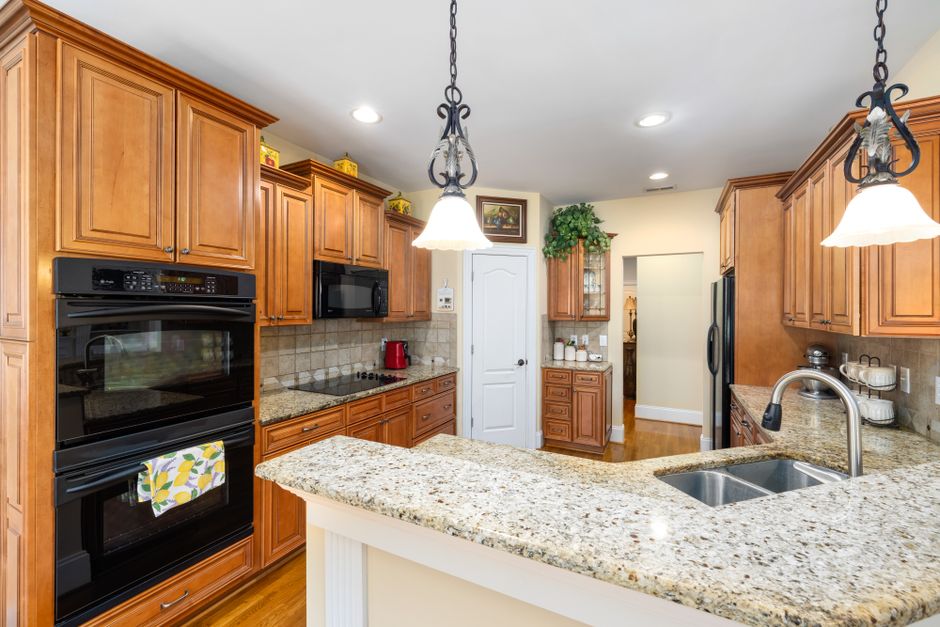
The bit must be zeroed against a known surface before any cut begins. Set the router base on a flat piece of scrap material. Lower the bit until the tip touches the surface. Mark this position on the depth adjustment scale. This zero point serves as the baseline for every subsequent measurement. A mistake here causes a deep cutout that ruins the structural integrity of the stone.
Managing Material Thickness
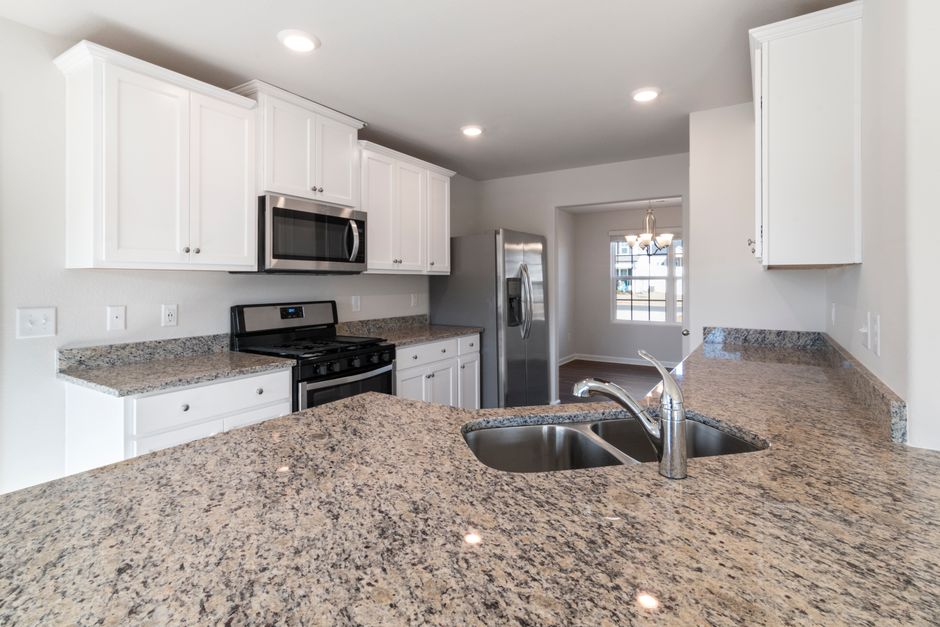
Different stones require different approaches. A slab of quartzite is harder and more brittle than a piece of butcher block. When a router bit travels too deep, the vibration increases and the risk of chipping the edge grows. For a sink cutout, the depth must be measured from the top surface down to the exact lip of the undermount sink. Use a depth gauge to verify the distance between the bit tip and the router base.
Edge Profile Consistency
The router depth controls the radius of the edge. A bullnose edge or an eased edge depends entirely on the bit's plunge depth. If the bit enters the material too shallow, the profile appears flat. If the bit goes too deep, the edge becomes too narrow and weak. Using a digital template helps track these depths across the entire run to ensure the seam placement remains flush. Consistency across the entire edge prevents visible shifts during installation.
Verifying the Cutout
Before the actual stone is touched, a test run on a remnant is standard practice. This confirms the bit depth matches the intended profile. Check the sink cutout dimensions against the template. Any deviation in the router depth will alter the fit. A mistake in this phase often leads to a failed installation where the sink does not sit level within the stone. Precise calibration stops the bit from traveling past the intended plane.
Final Depth Checks
Always re-check the depth after changing bits. Even a small change in bit length shifts the zero point. A piece of marble or porcelain is unforgiving once the bit makes contact. Measure the depth of the plunge multiple times to ensure the setting remains locked. Mechanical stability in the router prevents the bit from wandering deeper than the setting allows.