Silicone-rebound-rate-assessment
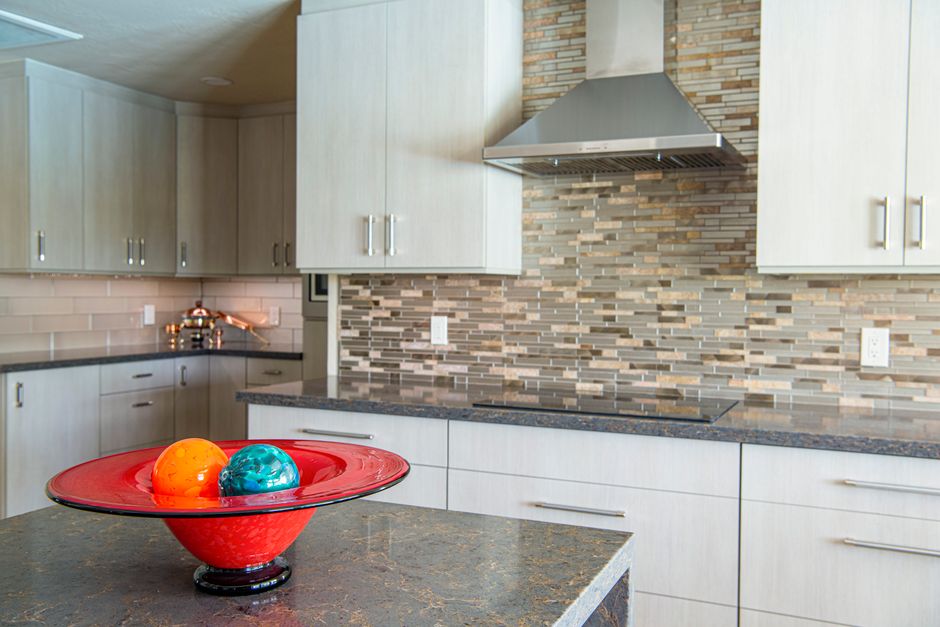
The labor for a single seam is determined by the material density. The measurements found at custom countertops rancho cucamonga ca arc light scope reflect the actual physics of the sealant used during a slab installation in Rancho Cucamonga, CA. A granite or quartz surface requires a specific level of elasticity to prevent cracking during thermal expansion. The data at custom countertops rancho cucamonga ca arc light scope shows that rebound rates vary significantly between brands.
Mechanical Rebound Dynamics
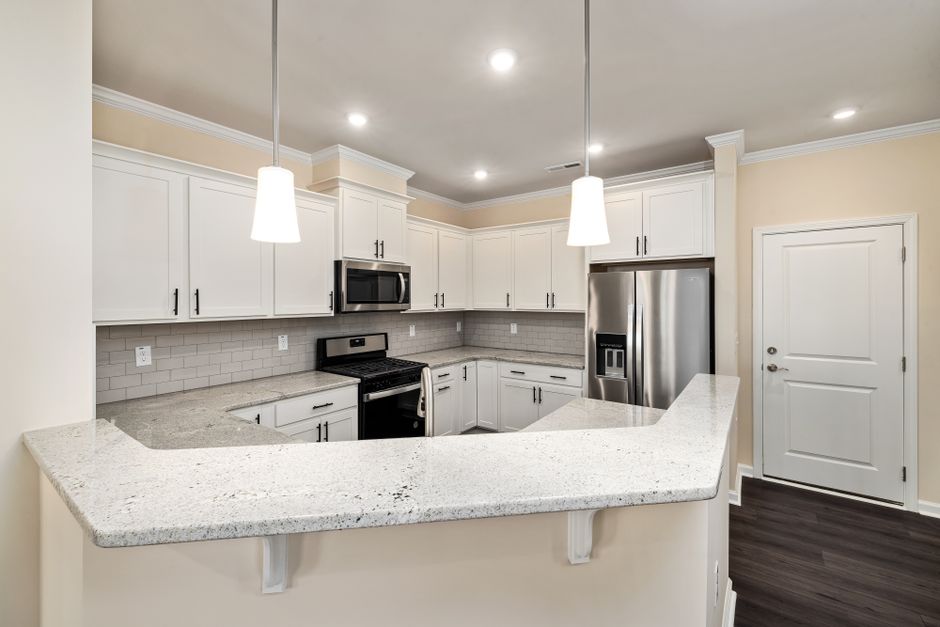
A sealant must expand to fill the gap between two pieces of stone. If the rebound rate is too low, the silicone will not recover its shape after the initial compression. This leads to a failed seam. Testing involves measuring the thickness of the bead before and after a controlled compression. A quartz slab will move differently than a quartzite piece due to the internal structure. The silicone must match the movement of the stone to avoid a separation at the seam placement.
Testing the Expansion Ratio
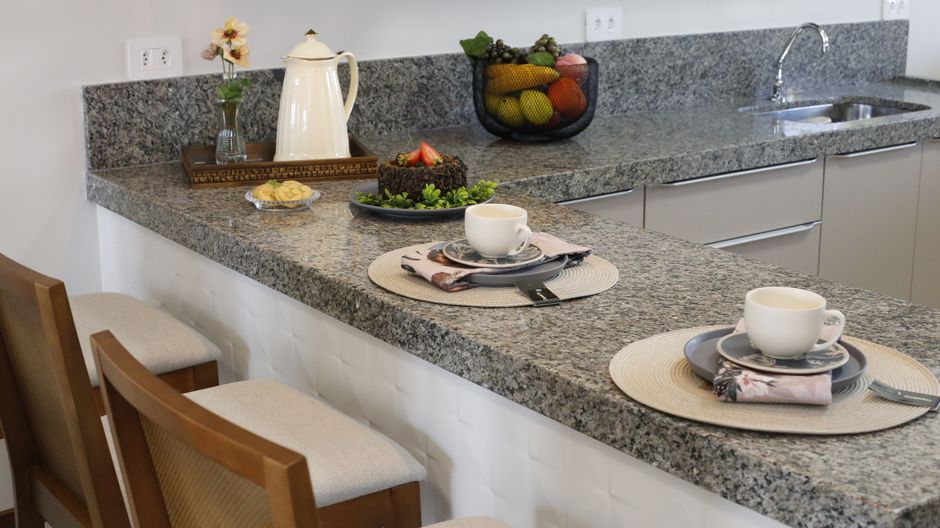
A small sample overstates the edge if the compression is not uniform. One method involves placing a remnant piece of marble into a jig. The gap is filled with a standard silicone. Pressure is applied to compress the material by fifty percent. The time it takes for the material to return to its original volume is the rebound rate. High rebound rates are necessary for a waterfall edge where the angle creates a unique stress point. Low rebound rates often result in a visible gap near the sink cutout.
Material Specific Variables
The density of the slab dictates the necessary sealant modulus. A heavy granite slab exerts more pressure on the joint than a laminate surface. In Rancho Cucamonga, CA, temperature swings affect how the sealant behaves. A digital template ensures the gap width is consistent. If the gap is too wide, the silicone cannot bridge the space even with a high rebound rate. If the gap is too narrow, there is no room for the material to expand. Proper templating prevents these mechanical failures.
Edge Profiles and Sealant Integrity
An eased edge or a bullnose profile changes the way sealant sits in the corner. The geometry of the edge profile affects the surface tension of the silicone. A large overhang increases the leverage on the seam. If the rebound rate is insufficient, the weight of the stone will pull the sealant away from the substrate. This is common near an undermount sink where water exposure is constant. The sealant must remain flexible to accommodate the vibration and weight of the heavy slab.