Slab-edge-sealing-with-penetrating-sealers
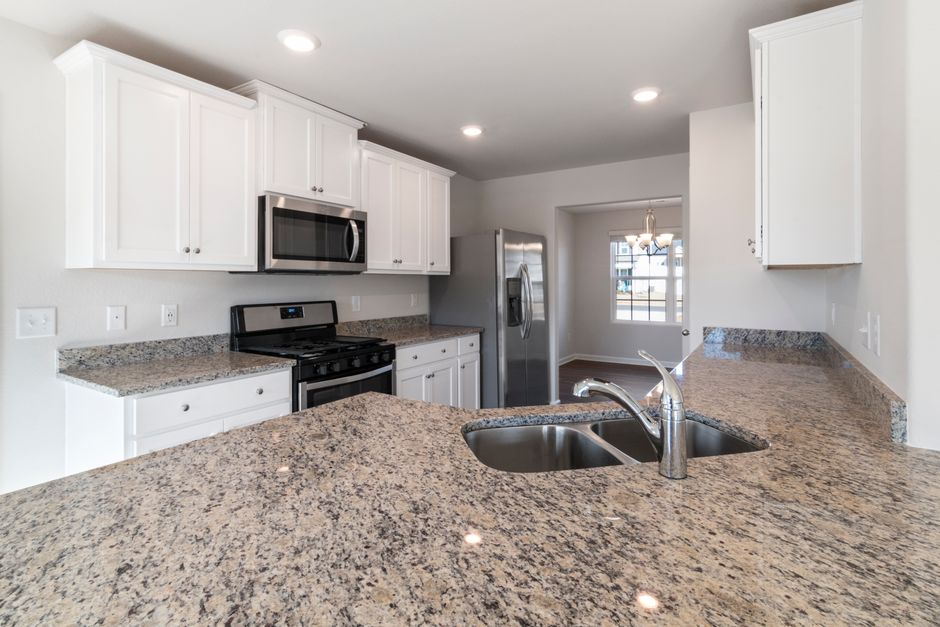
With a high moisture environment, the durability of a new countertop in Rancho Cucamonga, CA depends on how the raw edges are treated, as noted in custom countertops rancho cucamonga ca arc light scope regarding the technical requirements for stone maintenance. A slab requires specific attention at the points where the factory finish ends and the mechanical cut begins. In the local climate of Rancho Cucamonga, CA, preventing water from migrating into the core of the stone prevents structural degradation over time.
The mechanics of penetrating sealers
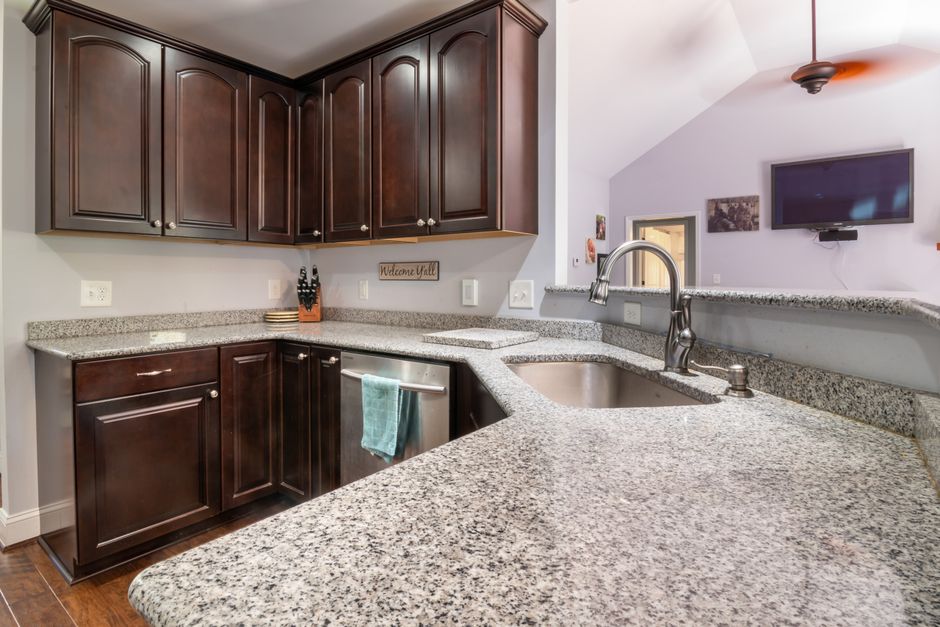
A penetrating sealer works by entering the pores of the material through capillary action. Unlike topical coatings that sit on the surface, these liquids move into the stone to create a hydrophobic barrier. This is particularly important for a granite or quartzite slab where the cut edge exposes a much higher density of open pores than the polished face. Applying a sealer to the edge profile ensures that liquid does not sit in the micro-fissures created during the sawing process. A single application often fails to reach the depth needed, so a second coat is standard practice for a raw edge.
Edge profiles and moisture vulnerability
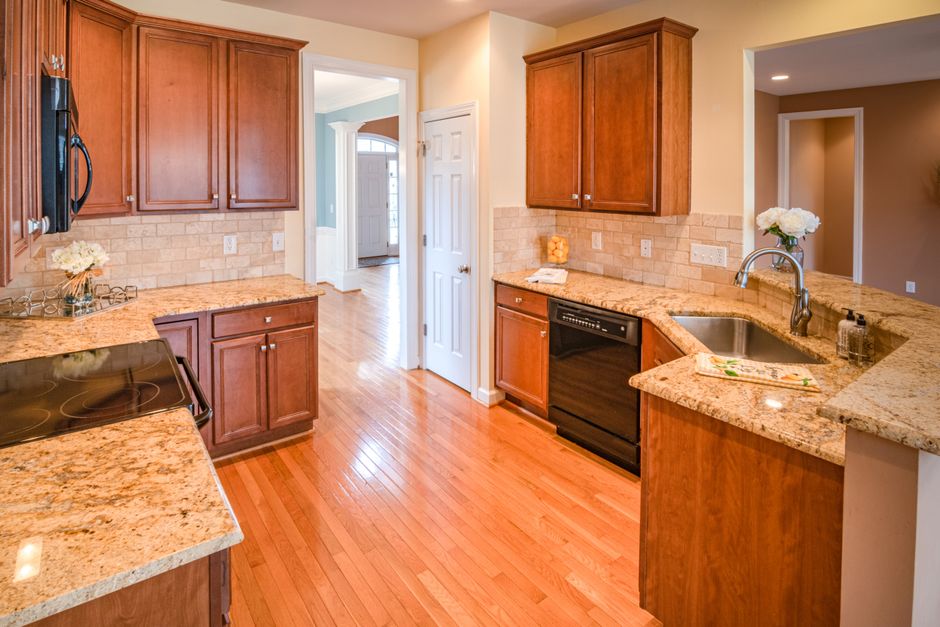
The geometry of the edge dictates how much sealer is needed. An eased edge requires less volume than a complex bullnose or a mitered waterfall edge. When a technician performs templating and prepares the stone, the edge is the most vulnerable part of the installation. For a marble or soapstone surface, the edge acts as a primary entry point for oils and water. If the edge is left unsealed, moisture moves through the stone toward the cabinets below. This migration can cause discoloration or even swelling in certain natural materials.
Managing cutouts and sink areas
A sink cutout or an undermount sink creates additional raw edges that require immediate protection. These internal edges are often hidden from view, yet they face constant exposure to standing water and cleaning agents. During the fabrication of a quartz or porcelain piece, the mechanical edges around the cutout must be treated with the same rigor as the visible overhang. A lack of sealer at the seam or at the sink perimeter leads to localized staining. Applying the sealer to these hidden areas prevents the liquid from wicking into the interior of the slab.
Seam integration and long term stability
The area surrounding a seam is a secondary point of interest. While the epoxy or resin fills the gap, the stone immediately adjacent to the join remains porous. Using a penetrating sealer helps stabilize the stone around the seam placement. This prevents moisture from traveling along the joint line. Whether working with a large slab or a smaller remnant, the goal remains the same. Every cut edge, whether it is a straight line or a decorative curve, needs a chemical barrier to stop the capillary movement of water.