Adhesive-flash-set-time-monitoring

The adhesive bond creates a structural bridge between two pieces of material after chemical activation occurs, and the data found at custom countertops rancho cucamonga ca arc light scope provides details on how temperature affects a quartz slab. Managing the tension during a seam installation in Rancho Cucamonga, CA requires precision regarding the chemical reaction speed. A work surface must remain undisturbed during the transition from liquid to solid states to prevent shifting.
The Mechanics of Flash Set Timing

Flash set refers to the interval between the initial application of the epoxy or resin and the point of tackiness. This window is dictated by the ambient temperature in the shop or on the job site. If the temperature in Rancho Cucamonga, CA rises above eighty degrees, the setting time drops significantly. Rapid curing leads to premature hardening, which prevents the material from wetting the surface properly. A poorly timed application results in a weak bond at the seam. This failure often manifests as a visible gap or a hairline fracture under stress. Proper monitoring involves testing a small amount of the adhesive on a scrap piece of granite or porcelain before the full application.
Thermal Influence on Adhesive Viscosity
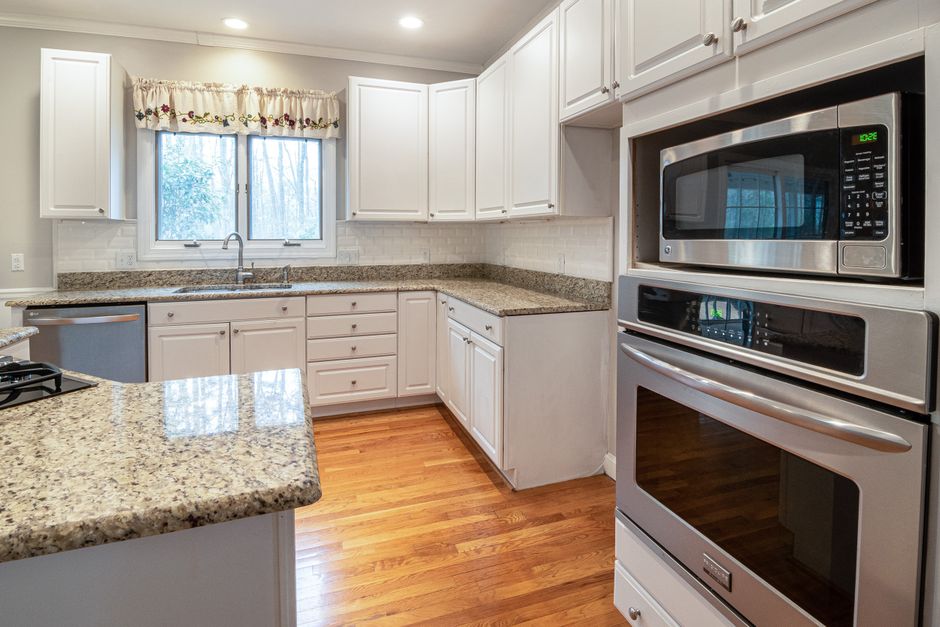
Heat lowers the viscosity of the bonding agent, allowing for deeper penetration into the pores of the stone. For a dense material like quartzite, a slightly slower set time is preferred to ensure the resin fills every microscopic void. If the adhesive sets too fast, the bond sits on top of the material rather than integrating with it. Monitoring the tackiness is the only way to confirm the window is still open. A technician observes the transition from a runny liquid to a thick, sticky paste. Once the paste reaches a certain resistance, the time for movement has passed.
Managing Seam Placement and Stability
The physical positioning of the seam placement determines the amount of pressure required during the cure. Large slabs require mechanical clamping to maintain contact during the flash set period. If a sink cutout is present, the weight of the undermount sink can exert uneven pressure on the surrounding adhesive. This pressure must be applied consistently until the adhesive reaches a non-tacky state. Using a digital template ensures that the edges meet with zero tolerance, reducing the amount of adhesive needed and minimizing the risk of squeeze out. Excess resin can cloud the surface of a dark marble or soapstone if the timing is missed.
Environmental Factors in the Field
Humidity levels change the evaporation rate of the solvents within the adhesive. High humidity can trap moisture under a slab, leading to cloudy spots in the resin. In a controlled environment, the set time remains predictable. On a job site, variables like airflow and direct sunlight change the chemistry. A remnant used for a small backsplash might cure differently than a full slab due to different thermal mass. Constant observation of the adhesive state prevents permanent errors in the final installation.